




Men's Sunglasses Buying Guide: How to Choose Frames, Lenses & Fit
October 15, 2026

A good pair of sunglasses earns its place quickly. You reach for them on the way out the door, toss them in a bag for the weekend, and wear them often enough that they start to feel like part of your face.
Getting there takes a little more than finding a frame that looks good in a product photo.
The best pair for you should protect your eyes, sit comfortably, suit the shape and scale of your face, and make sense for how you actually spend your time.
If you are looking for practical sunglasses for men buying tips, start in this order: protection, fit, lenses, frame shape, then style. It makes the whole process much easier.
Start With What You Need the Sunglasses to Do
Before thinking about tortoise versus black or aviator versus acetate, think about where you will wear them.
For everyday city use, comfort and versatility may lead the list. If you drive often, managing glare becomes more important. Time around water may make polarized lenses especially appealing. Travel calls for something comfortable enough to wear for hours and sturdy enough to handle regular use.
You may also simply want a pair that feels a little more considered with the clothes you already own. That counts too.
There is no single pair every man needs. The useful question is which combination of fit, lens, and frame works best for your routine.
The 30-Second Buying Checklist
When comparing sunglasses, check five things:
-
Confirm UV protection.
-
Make sure the frame fits without pinching or slipping.
-
Decide whether polarized lenses suit your routine.
-
Choose a lens tint you enjoy looking through.
-
Pick a frame shape you will want to wear often.
Style gets more enjoyable once the practical pieces are settled.
UV Protection Comes Before Lens Color or Style
A darker lens may feel more shaded, but darkness alone does not tell you how much UV protection a pair provides.
Look for sunglasses that clearly state their UV protection, such as 100% UVA and UVB protection. That is the specification worth paying attention to first.
Polarization is a separate feature. It helps reduce reflected glare, but it is not the same thing as UV protection.
Get the Fit Right Before Worrying About Face Shape
A pair can look excellent and still spend most of its life in a drawer if it presses at the temples or slides down your nose all afternoon.
Start with how the frame actually sits.
The width should feel balanced with your face. The bridge should rest securely without pinching. Temple arms should sit comfortably around the ears, and the sunglasses should stay reasonably steady when you look down or turn your head.
Try smiling too. If your cheeks push the frames noticeably upward every time you do, the fit may need adjusting.
Comfort is easy to underestimate when trying on sunglasses for thirty seconds. A pair you can forget you are wearing is usually the one you will keep reaching for.
How to Read Sunglasses Measurements
Most frames list three numbers, often in a format such as 49-20-145.
Those usually refer to:
-
49mm: lens width
-
20mm: bridge width
-
145mm: temple length
If you already own sunglasses or eyeglasses that fit especially well, check their measurements. They give you a useful baseline when shopping online.
The numbers are a guide rather than the whole story. A rounded 49mm frame and an angular 49mm frame may sit quite differently because overall geometry, bridge design, and frame thickness all affect fit.
Still, knowing your usual range can save a lot of guesswork.
Narrow, Medium, and Wider Fits in Practice
STAG Provisions' current assortment gives a useful sense of how sizing changes from frame to frame.
The Raen Remmy 49mm has a rounded, vintage-influenced shape and is designed around a narrower-to-medium fit.
The Garrett Leight Brooks 47mm works well as an example of a medium-sized acetate frame with classic proportions.
At the other end, the Raen Rifka 54mm brings a wider navigator shape and more presence across the face.
The lesson is simple: size should be considered alongside silhouette. A larger number does not automatically mean “too big,” just as a smaller frame is not automatically more flattering.
Polarized vs Non-Polarized Sunglasses: Which Do You Need?
The difference between polarized vs non-polarized sunglasses comes down mostly to glare.
Polarized lenses are designed to reduce reflected light coming off surfaces such as roads, water, and snow. If you spend a lot of time driving in bright conditions, boating, fishing, or near the water, that can make a noticeable difference in visual comfort.
Non-polarized sunglasses can still provide excellent UV protection. For everyday walking around town, travel, or casual wear, they may do everything you need.
One small consideration: polarized lenses can make certain digital displays appear darker or look unusual from some angles.
Rather than treating polarization as an upgrade everyone needs, think of it as a feature that earns its keep when your routine involves a lot of reflected glare.
When Polarization Is Worth Paying Attention To
If your weekend plans regularly involve highways, lakes, beaches, or open water, polarization is worth a close look.
For everyday neighborhood wear, you may care just as much about weight, bridge comfort, and how naturally the frame works with your wardrobe.
Both approaches are valid.
The important part is knowing what you are paying for. A good buying decision feels much easier when each feature solves a real need instead of simply adding another line to the product description.
Choose a Lens Tint for the Way You See the World
Lens color changes both the look of the frame and the experience of looking through it.
-
Gray lenses tend to keep colors feeling relatively neutral and are easy to wear across a wide range of conditions.
-
Brown lenses add warmth and often feel especially natural with tortoise, amber, and earth-toned frames.
-
Green lenses have a long history in classic eyewear and work easily with both acetate and metal frames.
Mirrored and more colorful lenses bring a stronger visual point of view and can be a good way to give a familiar frame shape more personality.
There is no need to turn lens tint into a science project. Start with proper UV protection, then choose a color you enjoy wearing and looking through.
Frame Material Changes the Feel More Than You Might Expect
Frame material affects more than appearance. It changes weight, flexibility, texture, and how the sunglasses feel after several hours.
-
Acetate has a substantial, polished feel and allows for rich colors, translucent finishes, and tortoise patterns. It works especially well in classic round, square, and panto-inspired shapes.
-
Metal frames tend to look visually lighter and often use adjustable nose pads, which can help fine-tune the fit.
Lighter flexible materials can be ideal for travel, casual wear, and anyone who prefers sunglasses that barely register on the face.
You don't need to follow a material hierarchy. A beautifully made acetate frame and a lightweight everyday pair can both be useful. The better choice is the one whose construction suits how you intend to wear it.
How to Choose Sunglasses for Your Face Shape
Face shape is helpful, especially when you are narrowing down unfamiliar silhouettes. It just does not need to become a rulebook.
-
Rounder faces often look balanced with frames that introduce a little more angle.
-
More angular or square faces can work beautifully with rounder or softer shapes.
-
Oval faces tend to accommodate a wide range of proportions.
-
Longer faces often benefit from frames with enough height and visual presence.
That is the broad idea.
Fit, scale, bridge position, and personal taste still matter more than any single chart. If you want the deeper breakdown, our guide to choosing sunglasses for your face shape gets into the details.
What Is the Best Sunglasses Frame Shape for Men?
There is no universal best sunglasses frame shape for men.
A better target is a frame that feels balanced on your face and works naturally with the clothes you already wear.
If you are unsure where to start, begin with something familiar. A clean acetate frame or classic aviator gives you an easy reference point. Once you know what proportions suit you, trying something rounder, wider, or more expressive becomes much easier.
Good style usually comes from knowing what you like, then giving yourself enough room to change your mind once in a while.
Men's Sunglasses Styles Worth Knowing
A useful men's sunglasses styles does not need dozens of categories. A few enduring shapes cover a lot of ground.
Aviators
Aviators bring a thin profile, military and aviation history, and a lighter visual feel than substantial acetate.
They work easily with denim, casual tailoring, workwear, or a simple tee.
The Randolph Engineering Aviator is a strong example at STAG, especially if you like a frame with adjustable nose pads and the crisp feel of metal construction.
Round and Panto-Inspired Frames
Rounder frames carry a little vintage character without needing to feel costume-y.
They can soften a more angular face, though the appeal goes well beyond face-shape theory. They simply bring a different rhythm to an outfit.
The Raen Remmy sits nicely in this territory with its rounded, slightly retro proportions.
Navigator and Wider Shapes
Navigator frames give you more visual presence than a traditional aviator.
They often feel a little bolder, especially with wider lenses and substantial acetate.
The Raen Rifka 54mm is a good example. Its wider proportions and navigator shape make it useful for someone who wants a larger frame without moving into oversized novelty territory.
Classic Acetate Frames
A good acetate frame is difficult to wear out stylistically.
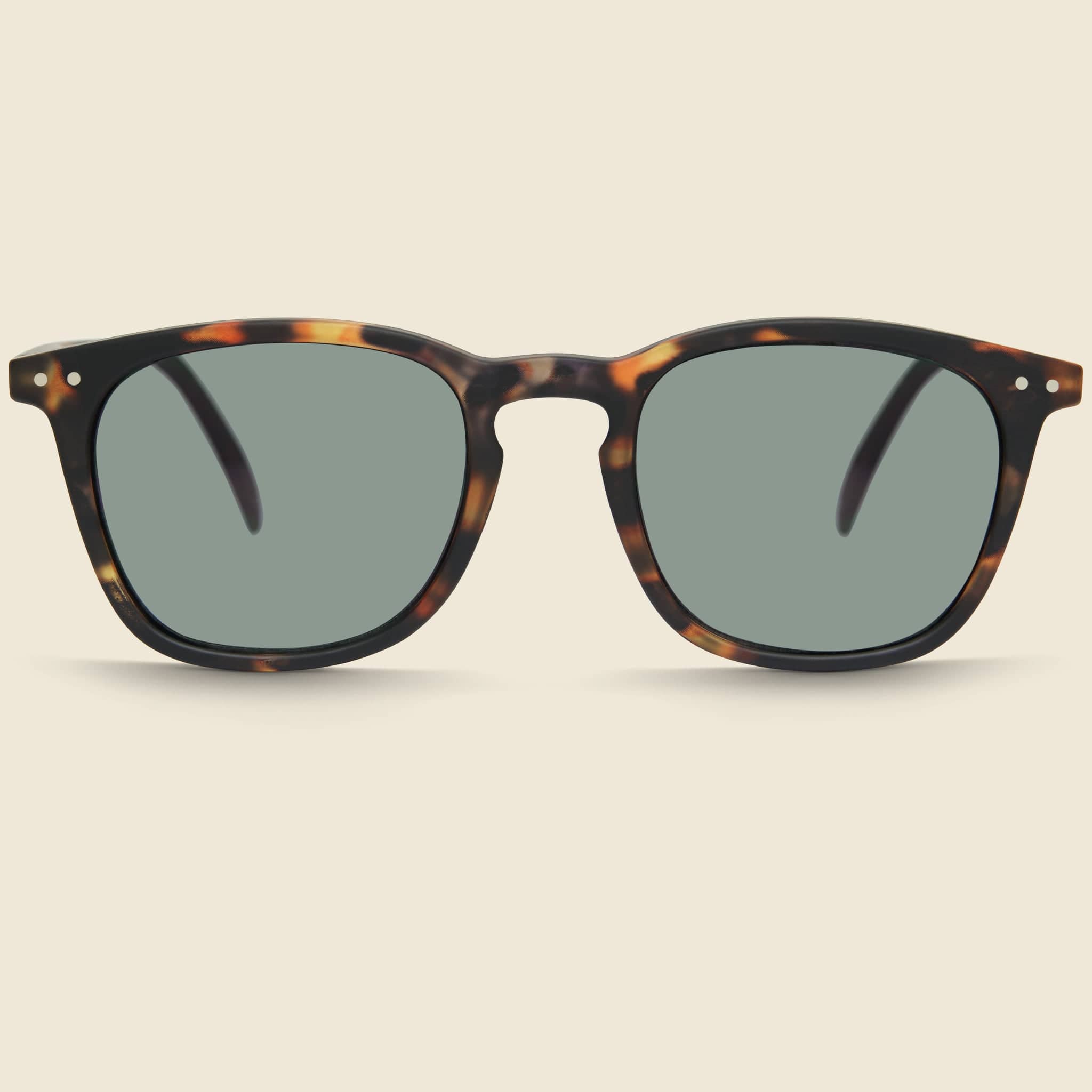
Black, tortoise, brown, amber, and olive can move comfortably between tees, camp shirts, chore coats, denim, and relaxed tailoring.
That versatility is part of their appeal. You do not need a separate pair for every outfit. One frame that feels right with most of your wardrobe will usually do more work than several pairs you only reach for occasionally.
Match the Pair to Where You'll Wear It Most
The easiest way to narrow your options is to picture a normal week:
-
For everyday city wear, prioritize comfort, UV protection, and a shape that works with most of your clothes.
-
For driving, stable fit and glare management matter more. Polarization may be especially useful.
-
For beach or water, look closely at UV protection, polarization, and a secure fit.
-
For travel, lighter weight and versatility tend to earn their keep.
-
For dressier everyday wear, refined proportions and frame material may matter more than technical features beyond proper eye protection.
You do not need five specialized pairs. A well-chosen everyday frame can cover a surprising amount of ground.


Frequently Asked Questions
Are polarized sunglasses better for men?
Polarized lenses are especially useful for reducing reflected glare from roads, water, and similar surfaces. They are not automatically necessary for every wearer, and UV protection should still be checked separately.
How do I know what size sunglasses I need?
Compare the lens width, bridge width, and temple length with sunglasses or glasses that already fit you well. Overall frame shape also affects how those measurements feel.
Should sunglasses touch your cheeks?
A little closeness is normal, but the frame should not lift or shift dramatically every time you smile.
Do expensive sunglasses provide better UV protection?
Price alone does not determine UV protection. Look for an explicit UV-protection specification from the manufacturer.
What color sunglasses are most versatile for men?
Black, tortoise, brown, olive, and understated metal finishes are all easy to wear. The best option is the one that works naturally with your wardrobe and complexion.
Find a Pair You'll Actually Want to Wear
The best men's sunglasses buying tips come down to a pretty simple order of operations.
Start with eye protection. Get the fit right. Decide whether polarization serves your routine. Then have some fun with lens color, frame material, and shape.
Face-shape guides can point you in a useful direction, but the pair that wins is usually the one that feels comfortable, looks like it belongs with the rest of your wardrobe, and makes you want to put it on again tomorrow.
At STAG Provisions, our sunglasses collection moves from lightweight everyday frames to substantial acetate, polarized navigators, round classics, and American-made aviators.
Find the fit that works, then let your own taste take it from there.
Related Products