





How to Clean Birkenstocks: Footbeds, Suede, Leather, Cork & EVA
October 09, 2026

A well-worn pair of Birkenstocks tends to show its history. The footbed gets darker. Suede picks up dust. Leather softens. The cork may start to look a little dry around the edges.
That is all part of the appeal.
Cleaning them is less about making an old pair look untouched and more about keeping each material in good shape. The important thing is knowing what you are actually cleaning, because a suede Boston, a leather Arizona, and a full-EVA sandal all need different treatment.
If you are wondering how to clean Birkenstocks, start by identifying the upper, footbed, cork, and outsole. Once you know the materials, the rest is pretty straightforward.
Before You Clean Anything, Check What Your Birkenstocks Are Made Of
Most classic Birkenstocks combine several materials in one shoe.
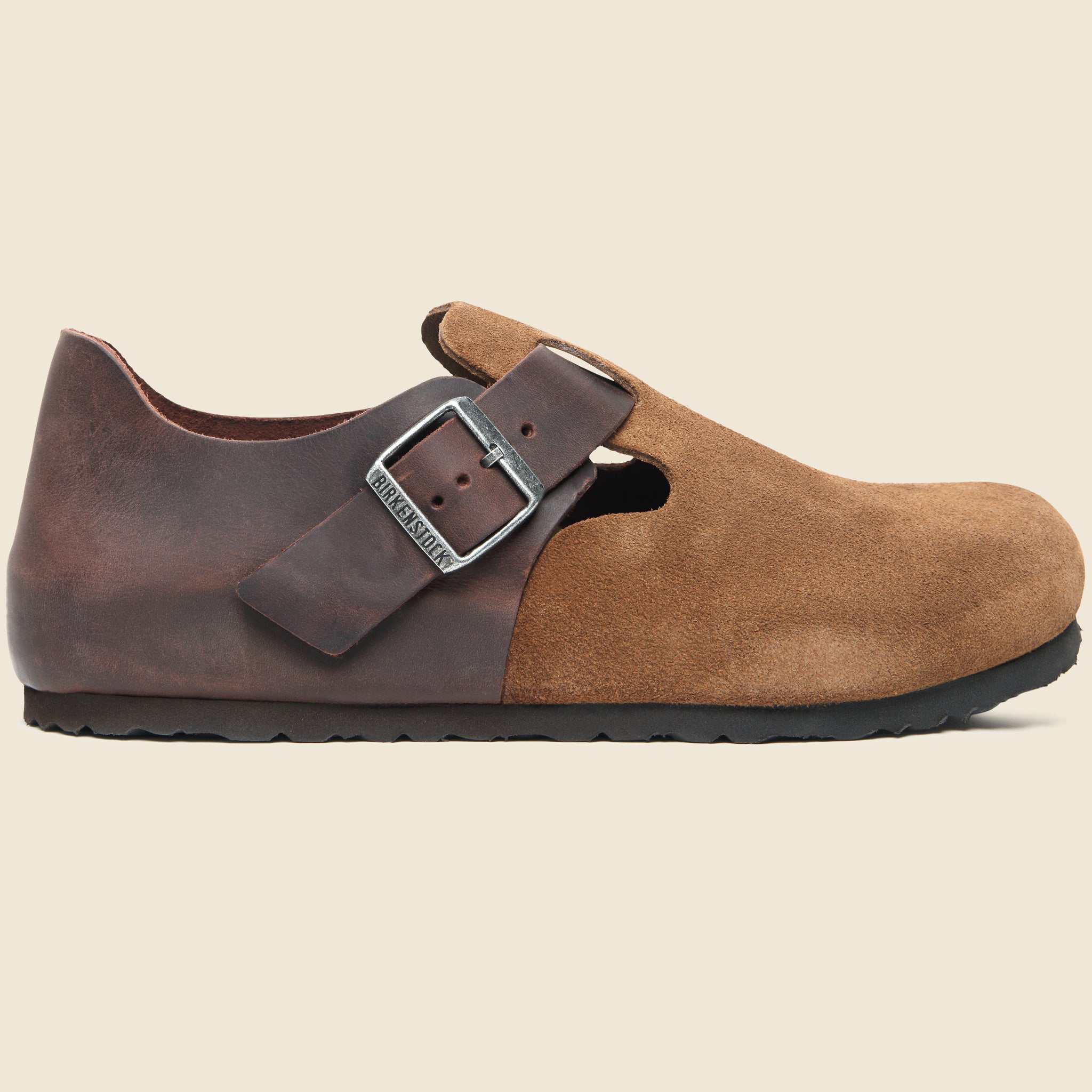
A suede Boston, for example, may have:
-
A suede upper
-
A suede-lined footbed
-
An exposed cork edge
-
An EVA outsole
That means one cleaner should not automatically go everywhere.
A full-EVA Arizona is much simpler. The entire sandal is made from molded EVA, so it can handle water in a way a cork-footbed style cannot.
Before cleaning, look at the product description or material label if you are unsure.
The easiest rule to remember is this: clean each material according to what it is, not according to the name on the shoe.
Quick Birkenstock Material Care Chart
|
Material |
Best first step |
Moisture level |
Finish |
|---|---|---|---|
|
Suede |
Brush dry |
Low |
Restore the nap |
|
Smooth leather |
Wipe gently |
Low |
Condition if appropriate |
|
Oiled leather |
Dry cloth or brush |
Very low |
Care sparingly |
|
Cork |
Remove surface dirt |
Minimal |
Reseal when dry |
|
Birko-Flor |
Damp cloth |
Low |
Air dry |
|
Full EVA |
Rinse and wipe |
Water-friendly |
Air dry |
Classic cork styles should stay out of soaking water. Full-EVA styles are the exception.
Start With the Least Aggressive Cleaning Method
Before reaching for cleaner, give the pair a simple once-over.
Open the straps or buckles so you can reach every surface. If there is dried mud or dirt, let it dry first. Then brush or wipe away anything loose.
A surprising amount of grime comes off without much effort.
From there, spot-clean only where needed. Use a small amount of product and give it time to work before deciding you need more.
This approach is especially helpful with suede and leather, where the material already has its own texture and character.
A little restraint usually gives you the best result.
How to Clean a Birkenstock Footbed
The footbed is often the part people want to clean first.
Over time, the suede lining darkens from skin oils, sweat, dust, and regular wear. Some of that change is completely normal.
When thinking about how to clean Birkenstock footbed surfaces, the goal is to lift buildup without soaking the cork underneath.
Start with the footbed dry. Brush away loose debris, then use a cleaner made for Birkenstock footbeds or suede-lined footbeds. Apply it sparingly and work gently.
Wipe away excess moisture and let the shoes dry naturally at room temperature.
Once fully dry, brush the suede lining lightly to bring back some texture.
Step-by-Step Footbed Cleaning
-
Let the pair dry completely.
-
Brush away loose dirt.
-
Apply a small amount of footbed-safe cleaner.
-
Work gently over the surface.
-
Wipe away extra moisture.
-
Let the shoes air-dry.
-
Brush the suede lining once dry.
The important part is keeping moisture controlled.
You are cleaning the lining, not soaking the footbed.
What About Dark Footprints and Odor?
Dark footprints are part of regular use.
Cleaning can freshen the surface and lift dirt, but it may not return the footbed to its original pale color. That is fine. A broken-in footbed is supposed to look broken in.
If odor starts to build, let the pair air out between wears and clean the footbed when it actually needs it.
There is no benefit in wet-cleaning the footbed constantly just to chase every mark.
A clean pair can still look well worn.
How to Clean Birkenstock Suede
Suede usually responds best to a dry start.
If you are figuring out how to clean Birkenstock suede, begin with a suede or nubuck brush. Use light pressure to remove dust and lift the nap.
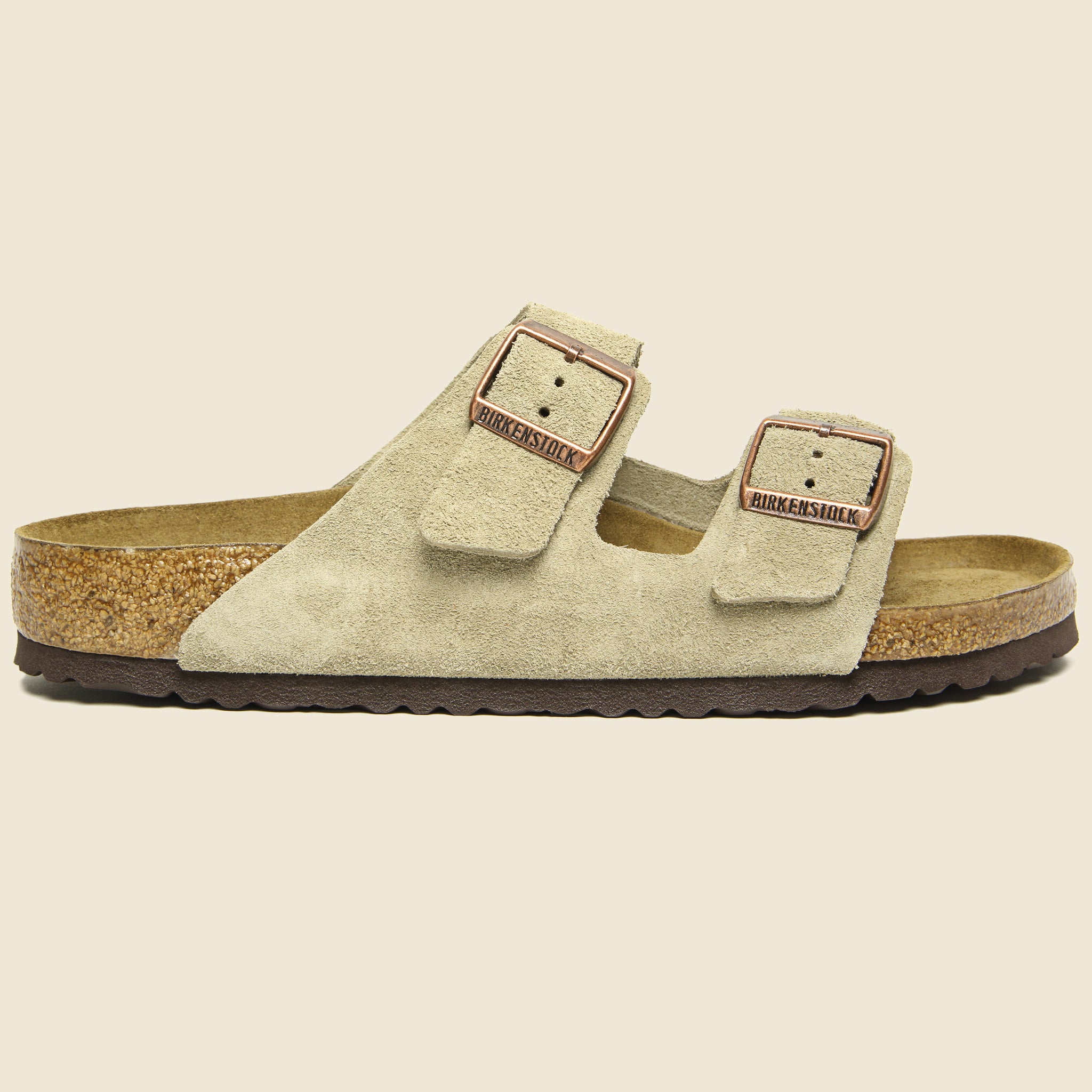
For pairs like the Birkenstock Boston Suede Clog or Arizona Suede Sandal, regular brushing goes a long way.
If the suede gets damp, let it dry naturally before brushing.
You can also use a suede-safe protective spray if you want a little extra help against future dirt or moisture. Follow the product directions and apply it lightly.
Suede is meant to have texture. A few shifts in tone or small marks often make the material look better with age.
How to Restore Flattened Suede
Once suede gets worn in, the nap can lie flatter than it did out of the box.
Let the material dry completely, then use a suede brush in small sections.
You are not trying to scrub the surface. Think of it more like lifting the fibers back into place.
Some marks may remain, and that is normal.
A brushed pair should look refreshed, not brand-new.
How to Clean Birkenstock Leather Straps
Leather needs a little more judgment because the finish matters.
Smooth leather and oiled leather are not quite the same thing, so they should not receive exactly the same care.
When working out how to clean Birkenstock leather straps, first identify which leather you have.
For most leather uppers, start by removing surface dirt with a soft cloth. Then decide whether the leather needs further cleaning, conditioning, or simply a little time.
Smooth Leather
For smooth leather, use a soft lint-free cloth to remove dust and surface dirt.
If needed, use a slightly damp cloth, then let the leather dry naturally.
A suitable leather conditioner or polish can be used sparingly if the finish calls for it.
There is no need to coat the leather heavily every time you clean it. A light hand keeps the surface feeling natural.
Oiled Leather
Oiled leather is a little more relaxed by nature.
Scuffs, color shifts, and small marks are part of what gives it character.
For everyday care, a dry cloth or soft brush may be enough. If the leather starts to feel dry, use a suitable leather treatment very sparingly.
This is the kind of material that tends to look better once it has picked up some life.
That same idea comes up often with good belts, boots, jackets, and bags. Patina is part of the deal.
How to Clean and Protect Birkenstock Cork
The cork edge usually needs protection more than aggressive cleaning.
When learning how to clean Birkenstock cork, start by gently removing surface dirt.
Then look closely at the edge.
If the cork still looks smooth and sealed, leave it alone. If it begins to look dry or rough, that is when a thin coat of cork sealer can help.
Apply a small amount according to the product instructions and let it dry fully.
Many classic Boston and Arizona styles use exposed cork, so this is one of the most useful maintenance habits to pick up.
You do not need to reseal the cork every time you clean the shoes. Let the condition of the material tell you when it is ready.
How to Tell When the Cork Needs Sealer
Look for cork that appears dry, chalky, or less sealed than the surrounding edge.
That is usually the cue.
Apply sealer in a thin layer rather than building up a heavy coat.
Think of cork sealer as maintenance. It helps protect the edge and keep the material from drying out.
It is not meant to hide wear or rebuild damaged cork.
How to Clean Birko-Flor and Other Synthetic Uppers
Birko-Flor is easier to care for than suede or leather.
A dry or slightly damp lint-free cloth is usually enough for everyday dirt.
If something needs a little more attention, use a mild soap solution sparingly and wipe the area clean.
The Birkenstock Arizona Birko-Flor Sandal is a good example of why material-specific care matters.
The upper is synthetic and simple to wipe down, while the footbed underneath still contains cork and suede. The straps may handle moisture easily, but that does not mean the entire sandal should go into a sink.
Treat each part separately, and you are in good shape.
How to Clean EVA Birkenstocks
Full-EVA Birkenstocks are the easy ones.
Styles like the Arizona EVA and Boston EVA are molded from EVA and designed for water-friendly use.
To clean them:
-
Rinse away dirt, sand, or residue.
-
Wipe with a damp sponge or cloth.
-
Use a small amount of mild soap if needed.
-
Rinse again.
-
Let them air-dry.
That is pretty much it.
They are a good option for pools, beaches, travel, or any place where a cork-footbed pair would need more care.
Even EVA appreciates sensible drying. Keep the shoes away from strong heat, radiators, and hot car interiors.
Water is fine. Concentrated heat is another story.
The Drying Step Matters as Much as the Cleaning
Whatever material you are working with, drying deserves a little patience.
Classic Birkenstocks should air-dry at room temperature.
Keep them away from:
-
Radiators
-
Fireplaces
-
Hair dryers
-
Hot cars
-
Strong, prolonged direct sun
Heat can affect cork, leather, suede, and EVA.
Let suede and leather dry before brushing or conditioning. Let cork dry before resealing.
If the pair still feels damp, give it another day.
Birkenstocks are built for a lot of wear. There is no reason to rush the part that helps them keep their shape.

Frequently Asked Questions
Can you wash Birkenstocks with soap and water?
Full-EVA Birkenstocks can be rinsed and washed with mild soap. Cork, suede, and leather styles should be cleaned more selectively with limited moisture.
Can Birkenstocks get completely wet?
Full-EVA Birkenstocks are made for water. Most classic cork, leather, and suede styles are better kept away from full immersion.
How do you remove dark footprints from Birkenstock footbeds?
Use a footbed-safe cleaner and gentle brushing. Some darkening will remain as part of normal wear.
Can I use baking soda to clean Birkenstocks?
Baking soda appears in plenty of DIY cleaning advice, but a purpose-made footbed cleaner is the safer starting point for classic Birkenstocks.
How often should cork sealer be applied?
Apply cork sealer when the exposed cork begins to look dry rather than following a fixed schedule.
Keep the Pair You've Broken In Going
Once you know how to clean Birkenstocks by material, the whole process gets much easier.
Brush suede. Wipe leather. Keep moisture controlled around cork. Rinse full-EVA styles freely. Let everything dry naturally.
Most importantly, let the shoes keep some character.
The darker footbed, softened leather, and slight changes in suede are signs that the pair has been worn, which is exactly what Birkenstocks are built for.
And if you are ready to add another pair to the rotation, the STAG Provisions’ Birkenstock collection covers plenty of ground, from suede Bostons and classic Arizonas to leather styles and water-friendly EVA pairs.
Related Products