



Chambray Shirts for Men: What the Fabric Is and How to Wear It
August 26, 2026

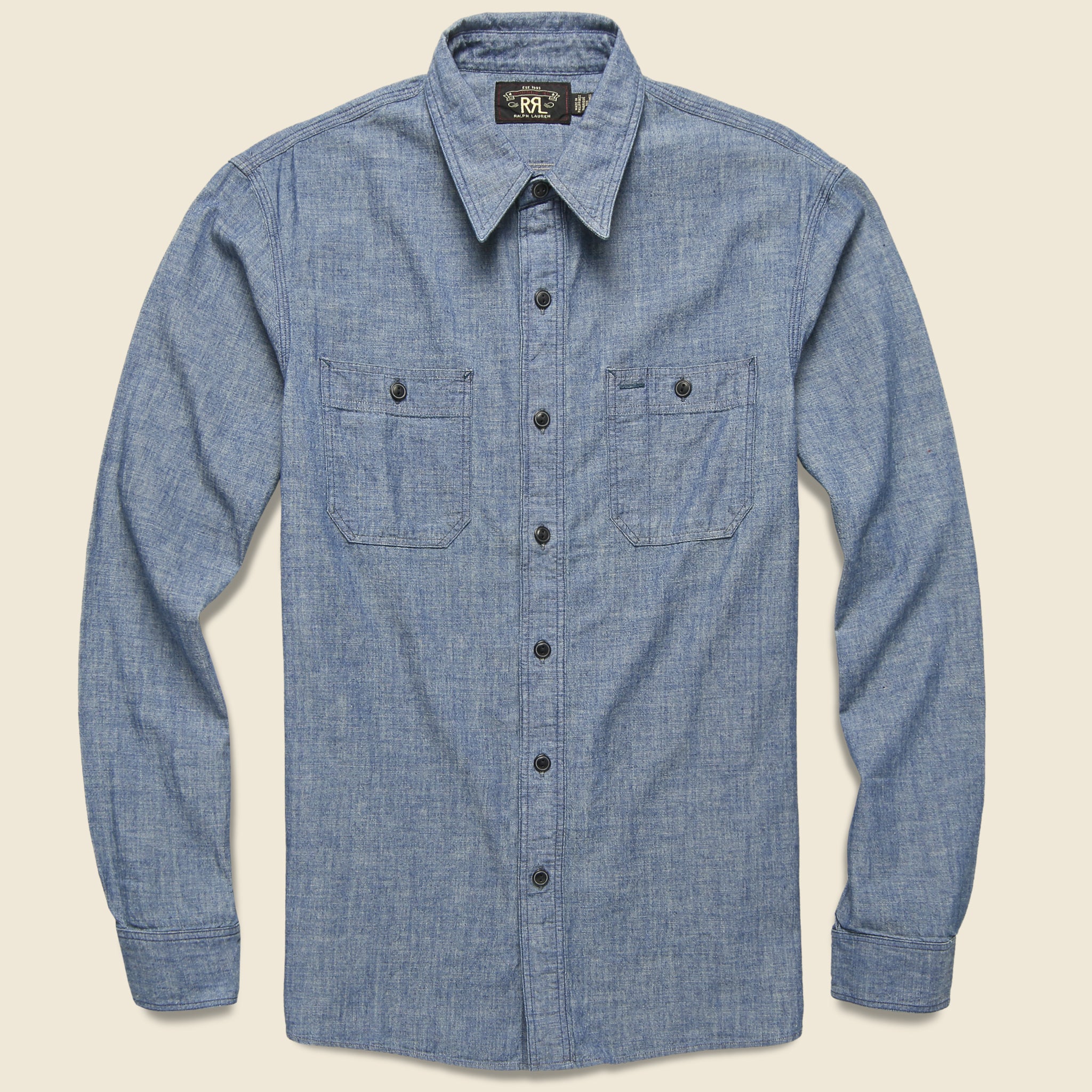
A chambray shirt can look like denim from across the room, though it usually behaves more like everyday shirting. That difference matters. The fabric’s construction affects how it hangs, how easily it layers, and how it looks when you wear it with jeans.
Chambray also comes in more forms than the familiar blue workshirt. Fit, collar, pockets, and color can move it from rugged to surprisingly clean.
In this blog, you’ll learn how chambray is made, how it differs from denim, what to look for in a shirt, and how to wear one without relying on the same old outfit.
What Is Chambray Fabric?
Chambray is usually a plain-weave fabric made by crossing colored warp yarns with white or lighter weft yarns. The warp runs lengthwise, while the weft travels across it.
In a plain weave, each yarn passes over one yarn and under the next. This balanced construction gives chambray its flat, lightly crosshatched surface. Look closely at a blue shirt, and you may see white threads breaking up the color.
Most chambray shirts are cotton and blue, though neither quality defines every version. Chambray is also often lighter than denim, but weight can vary. The weave is the more reliable distinction.
Chambray vs. Denim Shirt: Similar Color, Different Construction
Traditional denim uses a twill weave, which creates diagonal lines across the fabric. Chambray uses a plain weave without that pronounced diagonal rib.
That structural difference often affects how the finished shirts behave. Chambray commonly feels lighter and sits closer to conventional shirting. Denim shirts tend to have more body and may function like light overshirts when the fabric is substantial.
Neither is automatically better. Choose chambray when you want a blue shirt that layers easily beneath sweaters or jackets. Choose denim when the outfit needs more structure and workwear weight.
Do not judge by color alone. A lightweight denim shirt and a heavier chambray can complicate the usual assumptions, so inspect the weave and product description.
Choose the Chambray Shirt That Fits the Job
The fabric tells only part of the story. Construction and fit determine whether the shirt belongs with casual tailoring, weekend clothes, or heavier workwear.
Start With Weight and Color
A light-to-medium blue is the easiest first choice. It separates clearly from dark jeans and works with olive, ecru, tan, charcoal, and navy trousers.
Darker indigo carries more visual weight, making it a natural fit for substantial boots, canvas jackets, and workwear-inspired clothing. Pale blue feels lighter beside summer trousers and canvas sneakers.
Color does not reveal fabric weight. Check the product description and handle the shirt when possible. A dark chambray can still be light, while a faded version may have more body than expected.
Let the Details Set the Formality
A clean button-down collar and restrained pocket design can stand in for an Oxford shirt in a relaxed office or dinner outfit.
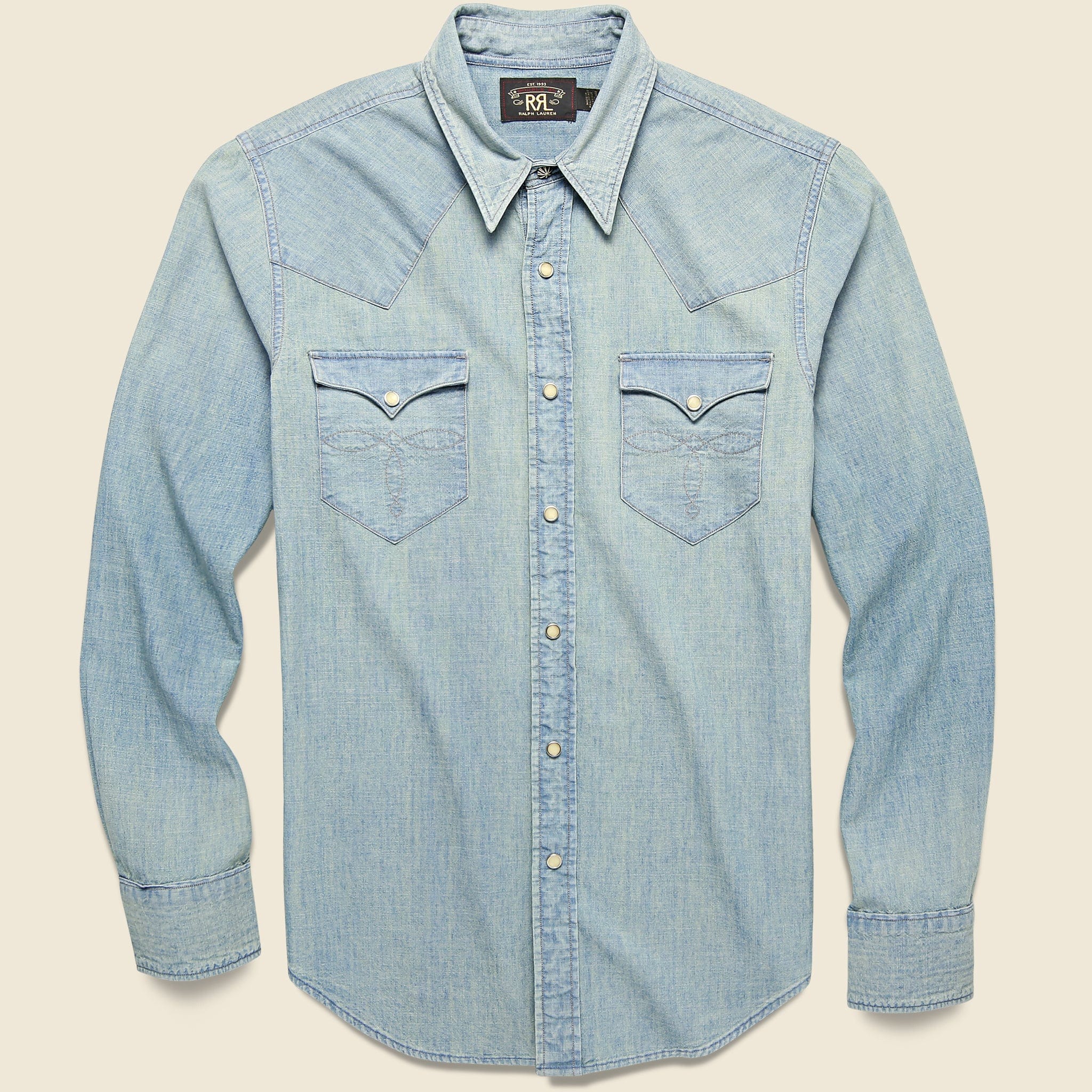
Chest pockets, Western yokes, snaps, and a fuller cut pull chambray toward its workwear side. A band collar removes some conventional formality and works well beneath an open jacket or over a tee.
Choose according to the job you need the shirt to perform. A Western shirt and a clean button-up may share the same fabric, but they will not occupy the same place in an outfit.
Check the Fit and Hem
The shoulder seams should sit near the edges of your shoulders unless the shirt is deliberately relaxed. Button the chest and reach forward; the fabric should move without pulling between the buttons.
Sleeves should finish around the wrist bone with the cuffs fastened. The body can have some room, but it should still fall cleanly rather than billow around the waist.
Let the hem guide how you wear it. A short, straighter hem usually works untucked. A longer curved hem looks more settled tucked into trousers and is less likely to work loose.
How to Style Chambray Without Repeating One Outfit

The useful part of chambray is not that it goes with everything. It is that the same blue shirt can play several distinct roles.
Use Chambray With Earth Tones
Wear a medium-blue chambray shirt untucked with straight olive chinos, brown suede chukka boots, and a dark brown belt. The olive moves the shirt away from standard blue-jeans territory, while the suede keeps the outfit casual without feeling heavy.
For warmer days, replace the chinos with straight ecru trousers and the boots with off-white canvas sneakers. The pale trousers give the blue more contrast, and the simple footwear keeps the combination relaxed.
If the trousers have pleats or large pockets, choose a shirt without equally prominent detailing.
Wear It Open as a Light Layer
Start with a substantial white crew-neck tee and straight ecru jeans. Add a relaxed light-blue chambray shirt, leave it open, and finish with navy canvas sneakers.
The fitted-enough tee controls the shape beneath the open shirt. Straight-leg jeans balance the room through the upper body without making the whole outfit oversized.
A darker variation works in cooler weather: gray sweatshirt, dark chambray shirt worn open, black jeans, and brown casual boots. Make sure the shirt has enough room through the chest and sleeves. Sizing up automatically can add more shoulder width and length than the outfit needs.
Clean It Up With Casual Tailoring
Choose a chambray with a neat collar, minimal pocket detail, and a hem long enough to remain tucked. Wear it with charcoal pleated trousers, an olive unstructured jacket, brown suede loafers, and a dark leather belt.
The shirt contributes color and visible texture, while the soft jacket and suede shoes stop the trousers from pushing the outfit toward formal businesswear.
A Western-style chambray can work with tailoring, but its snaps, yokes, and pockets create a stronger contrast. Keep the jacket relaxed and the remaining pieces quiet if you take that route.
Wear Chambray With Jeans by Creating Contrast
Chambray and jeans can share an outfit when they do not look like an almost-matched set.
Pair a pale-blue chambray shirt with dark indigo straight jeans, a natural leather belt, and brown service boots. The light shirt and dark trousers form two clear blocks, while the leather reinforces the workwear character.
You can reverse the idea with a dark indigo chambray shirt, ecru denim, and dark brown loafers.
Mid-blue chambray with nearly identical mid-blue jeans is harder to settle. Change the wash, weight, or color of one piece so the separation looks deliberate.

FAQs
Is chambray always blue?
No. Blue is traditional, but chambray can use other colored warp yarns while retaining its characteristic plain weave.
Is chambray the same as Oxford cloth?
No. Both are common shirting fabrics, but Oxford uses a basket weave while chambray typically uses a plain weave.
Can a chambray shirt be worn year-round?
Yes. Lighter shirts suit warm weather, while heavier versions layer comfortably beneath sweaters and jackets during cooler months.
Does a chambray shirt shrink?
Cotton chambray may shrink with heat, so follow the garment label and compare measurements before choosing your size.
How should a chambray shirt be washed?
Follow its care label, wash similar colors together, and avoid assuming every indigo-dyed shirt requires identical treatment.
Find the Chambray Shirt That Suits Your Rotation

Chambray’s plain weave explains the fabric, but the shirt’s weight, fit, collar, pockets, and hem determine how useful it becomes.
Start with the role missing from your wardrobe. A clean button-up can soften tailored trousers, while a roomier workshirt can sit open over a tee. Light blue creates easy contrast with darker clothes; deeper indigo brings more weight to workwear combinations.
Once those decisions are right, chambray stops being merely a lighter substitute for denim. It becomes a blue shirt with a character and purpose of its own.
Explore chambray and denim shirts at STAG Provisions and find the weight, fit, and construction that suit your wardrobe.
Related Products