



The Men’s Hats Guide: How to Pick, Wear, and Own Any Style
August 22, 2026

A hat sits right beside your face, so a small change in crown height, brim width, or fit can alter an outfit more than you might expect. That does not mean you need a particular face or personality to wear one well. The best hats for men fit comfortably, suit the clothes already in rotation, and feel appropriate for the day ahead.
Here, you’ll learn how to judge shape and fit, choose among the most useful men’s headwear styles, and build an outfit that makes the hat look like it belongs.
Choose the Hat by Shape, Fit, and Where You Will Wear It
Start with three considerations: silhouette, physical fit, and wardrobe. These will tell you more than a rigid face-shape chart or a sprawling list of styles.
Read the Crown and Brim Together
The crown is the section covering your head. The brim is the projecting edge, while a cap has a bill.
-
A tall, structured crown adds height and creates a sharper outline.
-
A low, soft crown follows the head and looks more relaxed.
-
Wider brims add horizontal width and greater visual presence.
-
Short or curved brims stay closer to the face.
Use face shape as a troubleshooting tool. If a tall trucker crown overwhelms you, try a lower ball cap. If a narrow beanie makes your face appear longer, choose a cuffed version with more width. Always check the hat from the front and side.
Measure First, Then Check How the Hat Sits
Wrap a flexible tape around your head where the sweatband will rest, then compare the measurement with the maker’s size chart. Hats may use specific fitted sizes, small-through-large sizing, or adjustable closures.
A good hat stays secure during normal movement without pressing painfully at the temples or leaving a deep mark across your forehead. You should not need to pull it down every few minutes.
Be careful with adjustable caps. Tightening the closure too far can pinch the rear panels and distort the crown instead of creating a better fit.
Match the Hat’s Character to the Clothes
Look at what you wear most: workwear, denim and tees, relaxed tailoring, athletic clothing, or clean minimal pieces. Structure, graphics, material, and brim shape all affect how formal or casual a hat appears.
For a first hat, choose a color already represented in your wardrobe. Navy, olive, washed black, brown, and ecru are easy starting points.
The hat does not need to match your shoes or belt. It should simply share the outfit’s level of formality and visual weight.
The Men’s Headwear Styles Worth Knowing

You do not need to memorize every obscure hat variation. These four families cover most of the useful territory.
Baseball Caps: Dad Caps, Fitted Caps, Snapbacks, Truckers, and Five-Panels
Baseball cap names describe different features:
-
A dad cap usually has a low, unstructured crown and a curved brim.
-
A fitted cap has a closed back and comes in a specific size.
-
Snapbacks use an adjustable plastic closure and often have a firmer crown.
-
Trucker caps add mesh rear panels and more height.
-
Five-panel caps have a flatter front and a compact profile.
A soft ball cap is the easiest starting point. Wear a washed navy version with a white heavyweight tee, open olive overshirt, straight mid-wash jeans, and off-white sneakers.
A taller graphic trucker cap needs more weight around it. Try chambray, dark straight-leg denim, and substantial brown boots.
Bucket Hats Without the Costume Effect
A bucket hat has a soft crown and a downward-sloping brim. Its depth, stiffness, and brim width determine how much presence it carries.
Start with a solid color or subdued pattern. An olive bucket hat works with an ecru camp-collar shirt worn open over a white tee, navy shorts ending above the knee, and simple canvas sneakers. The relaxed shirt and shorts repeat the hat’s soft outline.
For cooler weather, try a dark bucket hat with a gray sweatshirt, boxy chore coat, straight black jeans, and dark sneakers.
Bucket hats sit most naturally in casual settings, including weekends, travel, outdoor events, and summer afternoons.
Beanies: Cuff, Height, and Bulk Matter
A short watch cap sits close to the crown. A conventional cuffed beanie offers more coverage and width, while a longer beanie version leaves fabric above the head. That extra height can become distracting if the rest of the outfit is compact.
The beanie should feel secure without squeezing your forehead or creeping upward.
Wear a charcoal cuffed beanie with a heather-gray crewneck, brown canvas jacket, relaxed indigo jeans, and dark leather boots. The quiet colors connect the hat to the outfit, while the jacket and boots give the combination enough substance.
Finer beanies suit cleaner coats. Chunkier knits sit more comfortably beside substantial casual outerwear.


Full-Brim Hats: Start Understated
Fedoras, Western hats, and related full-brim styles occupy more visual space than caps. Crown shape and brim width can also give them a strong point of view.
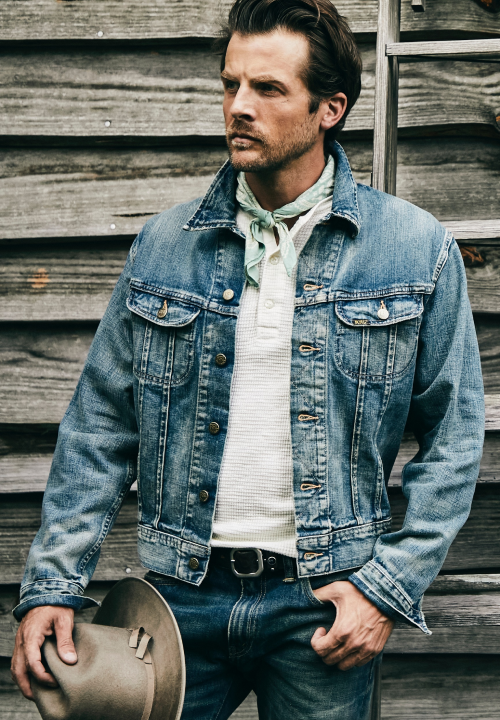
Begin with a moderate brim in brown, gray, or a natural tone. Pair a medium-brown hat with a pale blue chambray shirt, dark straight-leg jeans, a brown belt, and plain leather boots. The familiar workwear pieces keep the hat grounded.
For something cleaner, combine a gray brimmed hat with a navy unstructured jacket, ecru Oxford shirt, olive trousers, and brown suede shoes.
Avoid stacking a dramatic hat, Western shirt, oversized buckle, and ornate boots unless that complete look feels true to you.
Make the Hat Look Like Part of the Outfit

Owning a hat style comes from coherence and repetition. Check four things before leaving the house:
-
Proportion: The hat should not be the outfit’s only source of volume.
-
Color: Relate its color to one quieter element instead of matching every accessory.
-
Formality: Keep sporty caps with casual clothes and give structured brimmed hats an equally considered outfit.
-
Competition: Let a strong hat lead. Large graphics, bold patterns, and conspicuous accessories can fight for attention.
If something feels wrong, adjust how deeply the hat sits, change the brim angle when appropriate, or simplify the clothes around it. If that fails, try a lower crown or a different brim width before giving up on the entire category.
FAQs
What color men’s hat goes with the most outfits?
Navy, olive, brown, charcoal, and washed black work easily with denim, neutral trousers, casual shirts, and outerwear.
Should a man’s hat match his shoes?
No. Similar formality and visual weight matter more than matching the colors of your hat, belt, and shoes.
Can men wear hats indoors?
Usually yes in casual spaces, but remove your hat for formal meals, ceremonies, conservative workplaces, or when the setting requests it.
How should men with glasses choose a hat?
Start with a moderate crown and brim, then check that the frames and hat do not crowd your face.
How many hats does a man actually need?
Begin with one everyday cap and one weather-specific option, then add stronger silhouettes as your wardrobe calls for them.
Put the Right Hat Into Regular Rotation
A good hat does not require the “right” face. It needs proportions that sit comfortably beside your features, a secure fit, and enough common ground with the rest of your clothes.
Start with the least dramatic version of the silhouette you want. Wear it with familiar pieces, notice how the crown and brim affect your outline, and make small adjustments. A hat begins to look natural once it becomes part of how you dress rather than an accessory reserved for special occasions.
Explore men’s hats at STAG Provisions and find a shape that works with the clothes already in your rotation.
Related Products