



How to Dress Smart Casual: Men’s Guide to Looking Put-Together Without Trying
August 07, 2026

Smart casual is one of those dress codes that seems obvious until an invitation asks for it. A backyard dinner, a creative office, and an evening restaurant might all use the same words, yet each calls for something slightly different.
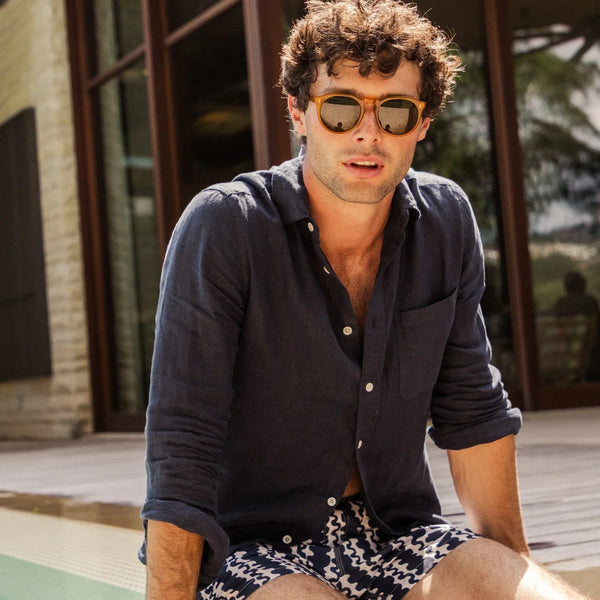
The useful idea is simple. Bring relaxed clothes together with enough shape and polish to suit the room. There is no required uniform, and your own taste should still come through. In this blog, we’ll show you how to read the occasion, build the outfit piece by piece, and adjust it without starting over.
First, Read the Occasion
Before choosing what to wear, picture the event itself.
-
Where are you going?
-
What time does it begin?
-
Who will be there?
-
What will you be doing?
-
How polished does the venue feel?
A weekend lunch at someone’s home sits at a different point on the smart-casual scale than dinner at an upscale restaurant. Both allow some ease, though the second usually calls for cleaner lines and dressier shoes.
When the setting is unfamiliar, leaning slightly sharper is usually a comfortable place to land. Think of smart casual as having three broad levels:
-
Relaxed Smart Casual: Weekend lunch, a casual date, or a gathering at home.
-
Standard Smart Casual: A restaurant, party, or creative workplace.
-
Elevated Smart Casual: A rehearsal dinner, gallery opening, or polished evening venue.
Once you know which level suits the occasion, the rest of the outfit becomes much easier to choose.
Build the Outfit From the Ground Up
A smart-casual outfit works best when each piece belongs in roughly the same setting. Start with the trousers, then choose the shirt and shoes. Add a layer only when the weather or occasion calls for one.
Start With the Bottoms
Your trousers establish the general direction of the outfit.
-
Chinos and tailored trousers give you a clean foundation.
-
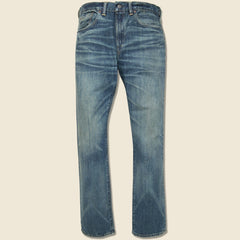
Dark denim works well when it is free of heavy fading or distressing.
-
Corduroy, brushed cotton, and other seasonal fabrics bring more character while staying easy to wear.
Look for a shape that follows your frame without clinging to it. Fabric gathering around the ankles, oversized cargo pockets, or obvious athletic details tend to pull the outfit toward the casual end.
Once the trousers feel right for the room, choosing everything above them becomes more straightforward.
Choose a Shirt That Suits the Setting
A collar can sharpen an outfit, but smart casual does not always require one.
-
An Oxford shirt or casual button-down is a dependable option.
-
A knit polo feels a little more relaxed while still holding its shape.
-
Fine-gauge sweaters work naturally in cooler weather.
-
Substantial solid T-shirts sit comfortably under an overshirt or jacket.
Let the cut decide whether the shirt should be tucked. Longer, curved hems are usually made to go inside the trousers. A shorter, straighter hem can be worn out without looking unfinished.


Let the Shoes Confirm the Direction
Shoes often tell the clearest story about where you are headed.
-
Loafers and derbies suit the sharper side of smart casual.
-
Suede boots add polish while keeping a little ruggedness in the outfit.
-
Minimal leather or suede sneakers work well for restaurants, offices, and social plans where the mood is more relaxed.
-
Refined sandals can also belong in warm-weather settings.
Whatever the style, keep the shoes clean and in proportion with the trousers. Slimmer pants usually sit better above a lighter shoe, while wider or heavier trousers can carry something more substantial.
Add a Layer When It Earns Its Place
A layer can bring shape to an outfit, add texture, or simply make sense for the weather.
-
An unstructured blazer works well for an elevated dinner or event.
-
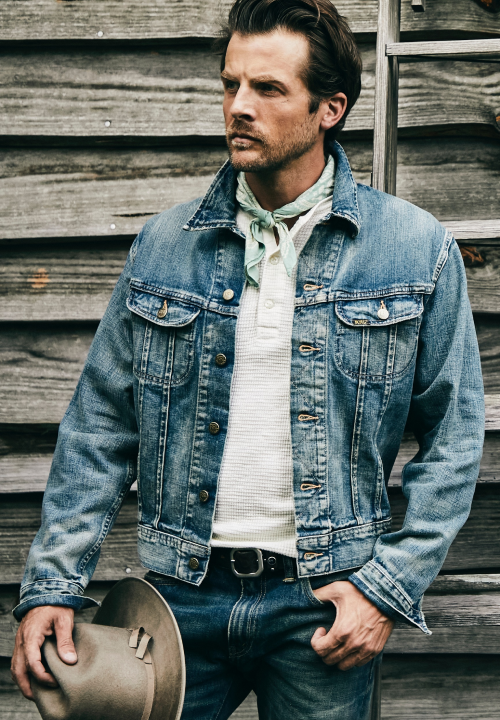
Chore jackets and overshirts feel more relaxed and pair naturally with chinos or dark denim.
-
Cardigans soften the look.
-
A lightweight bomber jacket gives it a cleaner, more contemporary edge.
There is no need to add a blazer by default. A jacket should feel connected to the shirt, trousers, and setting rather than added solely to make the outfit seem smarter.
Balance Polished and Relaxed Pieces
Smart casual usually feels most natural when one part of the outfit is a little sharper, and another carries some ease.
These combinations show how that balance works:
-
Dark jeans with an Oxford shirt and loafers.
-
Tailored trousers with a solid T-shirt and an overshirt.
-
Chinos with a knit polo and leather sneakers.
-
Casual jacket over trousers and a clean crew-neck sweater.
The pieces do not need to match exactly in formality, though they should feel close enough to share the same room. A formal suit jacket over heavily distressed jeans will usually feel disconnected. An unstructured jacket over clean denim, on the other hand, has enough ease to make sense.
Smart-Casual Outfits for Real Situations

These combinations offer a clear starting point. Adjust the colors, fabrics, and fit to suit your wardrobe.
For a Casual Office
Start with chinos or wool-blend trousers. Add an Oxford shirt, knit polo, or fine sweater. Loafers and suede shoes make the outfit feel polished, while clean leather sneakers keep it more relaxed.
An overshirt or unstructured jacket is useful when the office runs cool or the day includes a meeting.
For a Date or Dinner
Dark jeans and tailored trousers both work well after sunset. Wear them with a knit polo, textured shirt, or open-collar button-down.
Suede loafers and boots give the outfit a little depth. Minimal sneakers suit a more casual restaurant. Add a jacket when the venue feels sharper or the evening calls for another layer.
For a Party or Social Event
Chinos or clean denim give you plenty of room to work. A patterned shirt, lightweight knit, or well-made T-shirt under a jacket can all fit the occasion.
Choose one part of the outfit to carry the personality. That might be the shirt, a textured jacket, or an interesting pair of shoes. Let the other pieces give it some space.
For an Elevated Occasion
When an invitation feels ambiguous, tailored trousers or dark chinos are a reliable foundation. Add a crisp shirt or fine knit, followed by an unstructured blazer.
Loafers, derbies, or polished boots complete the look. You will feel prepared for a more refined setting without crossing into full suit territory.
Can Jeans, Sneakers, T-Shirts, and Shorts Be Smart Casual?
Often, yes. The setting and the condition of the piece matter more than the category alone.
-
Jeans: Choose a dark, clean pair with little or no distressing.
-
Sneakers: Keep them simple, clean, and free of obvious running or training details.
-
T-shirts: Look for substantial fabric, a good neckline, and a fit that holds its shape.
-
Shorts: Reserve them for clearly relaxed warm-weather settings where the venue allows them.
For a smart-casual shorts outfit, pair chino or tailored shorts with a knit polo or button-down. Clean sneakers, leather sandals, or loafers can all work depending on the setting.
An item may fit the dress code in theory and still feel wrong for a particular room. The venue always gets the final say.
Adjust One Outfit Instead of Starting Over
A dependable base outfit can cover more ground than you might expect.
Take chinos, a button-down shirt, and loafers. For a more relaxed version, leave a shorter, straight-hemmed shirt, roll the sleeves, and switch the loafers for minimal sneakers.
To sharpen the same outfit, tuck the shirt, add a leather belt, and bring in an unstructured blazer. Dressier shoes move it another step upward.
Footwear and layers usually make the biggest difference. Once you see how those changes affect the outfit, smart casual becomes less of a separate dress code and more of a way to use the clothes you already own.
FAQs
Does smart casual require a collared shirt?
No. A knit polo, sweater, or substantial T-shirt can work when the trousers, shoes, and overall fit suit the setting.
Can men wear sneakers for smart casual?
Yes. Choose a clean, minimal pair that feels appropriate for the venue.
Should a smart-casual shirt be tucked in?
Tucking gives the outfit a sharper finish. A shorter casual shirt can also look right worn untucked.
Are jeans acceptable for smart casual?
Dark, clean jeans usually work, though some workplaces and formal venues may expect trousers.
Build a Smart-Casual Wardrobe That Feels Like Your Own

Smart casual starts with paying attention to the setting. From there, choose trousers that establish the right level of polish, add a shirt that feels natural with them, and let the shoes settle the question.
The best outfits still look like the person wearing them. That may mean dark denim and suede boots, pleated trousers with a knit polo, or chinos beneath a worn-in chore jacket. Fit and consistency matter more than dressing more formally than everyone else. STAG’s approach to smart casual lives in that space between rugged and refined.
Explore STAG’s Bestseller Collection and build outfits that feel considered without feeling overdone.
Related Products