



History Of The Sweater Polo Shirt: Origins, Fabrics, and How to Wear It Right
May 01, 2026

The sweater polo occupies a unique position in menswear. It exists somewhere between the rugged simplicity of a classic pique polo and the refined drape of a lightweight knit.
At STAG, we often view it as the ideal combination. Sweater polo shirts enhance any event you attend, allowing you to present yourself well with minimal effort.
In this guide, we are going to break down exactly what a polo shirt is and how it evolved from the tennis courts of France into the knit staple you lean on today.
What is a Polo Shirt?
At its most fundamental level, a polo shirt is a collared knit shirt featuring a placket with two or three buttons and a soft, unstructured build. It owes its existence to tennis and polo. Players in those eras needed something that offered more protection than a T-shirt but more breathability than a heavy cotton dress shirt.
The polo became a permanent fixture in the modern man's closet for a simple reason. It is intentional. It provides a collar to frame the face and gives you a structured look, but the knit construction keeps things relaxed.
Over the decades, that basic DNA has branched out. While the sporty pique version is there, the sweater polo is where the style found its edge. It’s made with finer yarns and sweater-like construction to serve the world of refined leisure.
From Sport to Style: The Evolution of the Sweater Polo
In the early 20th century, polo was strictly athletic gear; functional and designed to be thrashed on a court or a field. But in the 1930s and 1940s, men found that their sportswear was just as comfy for relaxing.
This transition into leisurewear gave birth to the resort culture aesthetic. By mid-century, the sweater polo became the unofficial uniform of the off-duty style icon. These were fine-gauge knits often seen in Hollywood or on the shores of the Riviera.
The knit polo offers a level of polish that a T-shirt could not touch, yet it feels more casual than shirts. That balance of polish and comfort is exactly why people still care about it today.
Piqué Polo Shirt: Meaning and Why it's Different

To understand the sweater polo, you have to understand its counterpart, the pique polo. Pique is a textured knit characterized by a geometric, cord-like pattern that creates a breathable and durable fabric. It is slightly heavier and has a bumpy hand feel that helps hide sweat. This is why it became the industry standard for traditional, sporty polos.
While pique is great for a Saturday afternoon at the lake, the sweater polo uses finer yarns to achieve a more elevated drape. It offers a sophisticated texture that pique cannot replicate.
Types of Polo Shirts: Classic vs. Sweater
Here is a quick breakdown of the types of polo shirts you will encounter when building your kit:
-
Pique Polo: The workhorse of the closet. Textured, breathable, sporty.
-
Jersey Polo: smooth and soft. It is the most casual of the bunch.
-
Sweater Polo: A refined knit version. Features an elevated drape and uses premium fibers like merino or silk.
-
Long-Sleeve Knit Polo: The perfect transitional piece. It works as a standalone shirt in the fall or a layering piece under a chore coat in the winter.
Sweater Polo Fabrics That Actually Matter

When we talk about the premium feel of a sweater polo, we are really talking about the yarn. The fabric's weight and drape are more important than any logo. We look for pieces that feel comfortable against the skin and hold their shape over time.
Fine-gauge cotton knit is the standard for a reason. It is breathable and easy to care for. For cooler months, we lean into merino blends. From zip-knit polos to cable-knit polos, we offer polo shirts that have incredible temperature regulation without the bulk of a heavy sweater.
If you are dealing with the heat in Austin, Dallas, or Nashville, linen blends are a lifesaver. They provide that crisp, airy texture that keeps you cool. For something truly special, cotton-silk blends offer a subtle sheen and a softness that makes the shirt feel like a luxury.
How to Style a Polo Shirt for Different Occasions
You just need a few repeatable formulas. Here are four ways to wear them:
-
The Rugged Classic: A short-sleeve sweater polo with straight-leg denim and boots.
-
The Utility Look: A neutral-toned polo with fatigue pants and a sturdy leather belt.
-
The Tonal Move: A dark navy or charcoal knit polo with matching dark denim and a clean, minimal sneaker.
-
The Layered Approach: Use the polo as a base layer under a lightweight jacket or an unbuttoned overshirt.
Stick to grounded colors like navy, olive, tan, and slate. Allow the knit's texture to take center stage while keeping your accessories minimal.


Seasonal Styling: Year-Round Versatility
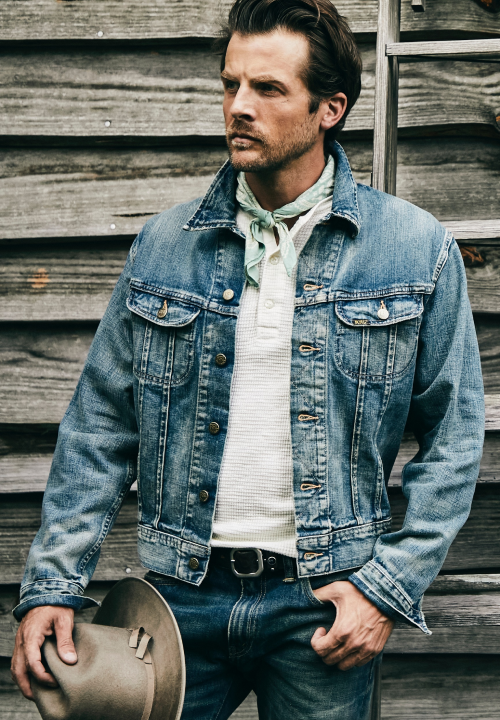
The beauty of the sweater polo is that it is not just for the summer. In the spring, it is the perfect companion for a light Harrington or denim jacket. Wear it alone with fitted shorts or airy denim during the hottest part of the summer.
When fall hits, the sweater polo becomes a vital layering piece under a suede jacket or a rugged chore coat. A long-sleeved knit polo serves as a cozy base layer in the winter. It provides more warmth than a standard shirt while still looking professional.
Why the Sweater Polo Still Earns Its Place
The goal is to have a wardrobe full of pieces that look better the more you wear them. Once you understand what a polo shirt is and how different fabrics affect its feel, you can start making it your own.
The sweater polo is an effortless win to elevate your daily uniform without feeling stiff. Once you feel the difference of a proper knit, those old gym polos will stay in the drawer where they belong.
Build a sweater-polo outfit you can repeat all season long with STAG Provisions.
Related Products